Protecting Your Business Assets and Interests From Divorce
Properly protect your business assets in divorce. Comparing the prenuptial vs irrevocable trust.
Business owners and self-employed professionals should think about what their lives would be like if they get divorced. It does not matter if they currently live in marital bliss of if they have not yet tied the knot; the odds for married couples in the United States to end up in divorce court are about 50/50 for first-time marriages, and they increase to 70 percent for business owners or couples that walk down the aisle for a second and third time.
 their lives would be like if they get divorced. It does not matter if they currently live in marital bliss of if they have not yet tied the knot; the odds for married couples in the United States to end up in divorce court are about 50/50 for first-time marriages, and they increase to 70 percent for business owners or couples that walk down the aisle for a second and third time.
Marriage = Business Liability
Legal divorce proceedings across many jurisdictions have the potential to decimate business holdings when certain demands are made by a separating spouse. Think about the unfairness of this scenario: An entrepreneur builds his or her business through decades of hard work and sacrifice, only to see it dismantled in divorce court. In many cases, the very ownership of the business is at stake during a marriage dissolution. What couples need is some sort of prenuptial insurance to “divorce-proof” their business.
Both business ownership and holdings are at stake during a dissolution of marriage, but they need not be. Protection is available, but most people erroneously think about prenuptial agreements in this situation. There is a legal instrument that can be effectively used to protect a business prior to getting married, and it does not involve asking a future husband or wife to review and sign an awkward document. Using an irrevocable trust as a prenup method of asset protection makes a lot of business sense for the following reasons:
No Awkward Moments When Planning Your Prenup with Your Fiancé
Is there anything more unromantic than a prenuptial agreement? First of all, for such a legal instrument to be effective, the future groom and bride should get their own, separate attorneys. After that, the future spouses must provide full disclosure and accounting of their assets for the purpose of deeming them marital and separate property. In these modern times, this part of the prenuptial agreement process is basically an invitation to a premarital argument.
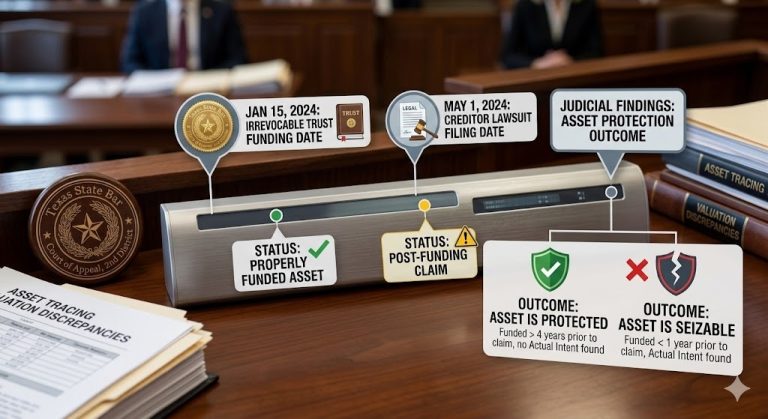
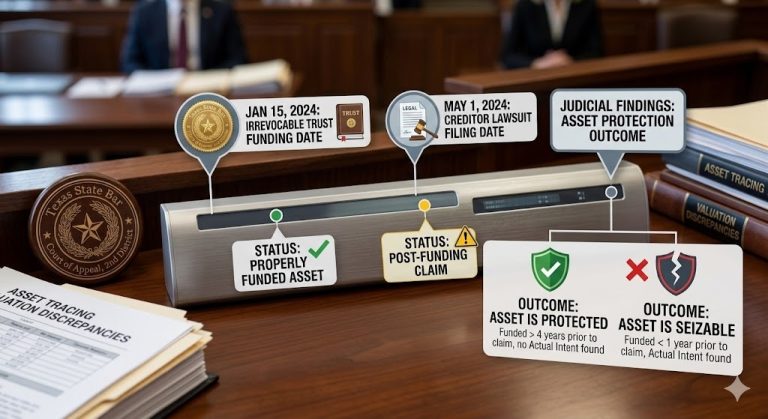
Irrevocable trusts remove all the awkwardness of a prenuptial agreement by skipping the process above. A fiancé or fiancée does not have to know about the trust, and he or she certainly will not have to sign it. Business or personal assets in the irrevocable trust are protected throughout the marriage; in case of divorce, a judge will examine the trust only for the purpose of checking if marital assets are contained therein.
Retain Control: No Protracted Legal Battles
The problem with prenuptial agreements is that they often invite legal challenges. This may seem ironic since these agreements are intended to be equitable insofar as the parties are involved, but the reality of the litigious civil society we live in makes premarital contracts fodder for litigation.
Depending on the jurisdiction, attorneys can employ a number of legal strategies to contest premarital agreements. Excessive child support is one such strategy that diminishes the purported protection of a prenuptial agreement, and the court proceedings involved are usually lengthy and expensive. With an irrevocable trust, a grantor will often be able to determine the assets that will be distributed to his or her children and at what age they will be able to receive them.
Making the Other Spouse Happy
One of the reasons prenuptial agreements are so often contested and end up overwhelming court systems across the U.S. is that spouses enter a different mindset when they start marriage dissolution proceedings. When executing a premarital agreement for the first time, couples are mostly focused on the future wedded bliss; once they get past the awkwardness of talking about such matters, both fiancé and fiancée are willing to sign on the dotted line and walk down the aisle. Once the idea of a divorce is introduced, this mindset is reversed.
The unwavering tenacity of some men and women to extract as many assets from the business operations of their spouses often results in numerous challenges and expensive divorce proceedings. Irrevocable trusts allow spouses to settle such challenges in a civil manner since grantors have the power to give their divorcing spouses whatever they deem enough to settle their claims and thus avoiding lengthy legal battles.
Postnuptial Agreements Not Required
Some couples are so shaken by the complexity of divorces and their effect on business operations that they sit down to hammer out a postnuptial agreement before the marriage dissolution is finalized. These contracts are similar to prenuptial agreements, but they are executed by husband and wife before they cease to be a married couple. In theory, these postnuptial contracts should give business owners peace of mind, but not every jurisdiction recognizes them, and even in states where they are valid they are not free from legal challenges.
In the end, prenuptial agreements simply do not provide the level of asset protection that irrevocable trusts can offer. These instruments can benefit anyone, but they are particularly useful to business owners, entrepreneurs, and professionals who have significant earning potential and stress such as doctors, dentists, engineers, etc. To find out more about how an irrevocable trust can protect your business better than a prenup, please call us now at (888) 938-5872.
Helpful resources: Readers often continue with Asset Protection for Business Owners, LLC vs Trust for Asset Protection, and official SBA guidance for broader context on the planning choices involved.
Where the next decision becomes clearer
Once Protect Your Business Assets in Divorce. Prenup vs Irrevocable Trust is on the table, the next questions usually center on risk, flexibility, and which planning step deserves attention first.
Points readers weigh before moving forward
- Personal guarantees, leases, and vendor contracts can create exposure that an LLC alone does not erase.
- Ownership design matters because the best structure usually separates operating risk from long-term wealth.
- Funding matters because business owners need a plan that covers both current assets and future cash flow.
Practical reading path
To keep the next step practical rather than abstract, readers often move to Asset Protection for Business Owners, LLC vs Trust for Asset Protection, and Asset Protection From Lawsuit. When the question turns from reading to implementation, many readers move from these guides to a direct planning conversation.