
Trust Setup Cost
Trust setup cost depends on more than drafting time. The real price is shaped by the complexity of the structure, the assets involved, trustee design, funding work, and whether the trust needs to coordinate with entities, tax planning, or long-term administration.
Trust-focused planning
Clear structure for asset protection, long-term stewardship, and family control.
Step-by-step guidance
Planning, drafting, funding, and next-step clarity in one coordinated process.
Designed for real-world use
Built to be understandable, actionable, and easier to maintain over time.
Why trust pricing varies so much
People often search for a simple price for setting up a trust, but a meaningful answer depends on what kind of trust is being created and what it needs to accomplish. A basic revocable trust does not require the same planning as an asset protection trust, a Medicaid irrevocable trust, or a more technical structure like a BDIT.
That is why low headline pricing can be misleading. The drafting fee is only part of the picture.
What typically affects setup cost
Trust type
Revocable, irrevocable, protection-oriented, Medicaid-focused, and specialized trusts all require different levels of design work.
Asset mix
Cash, brokerage accounts, real estate, entity interests, and family business holdings can each add different funding and coordination work.
Structural complexity
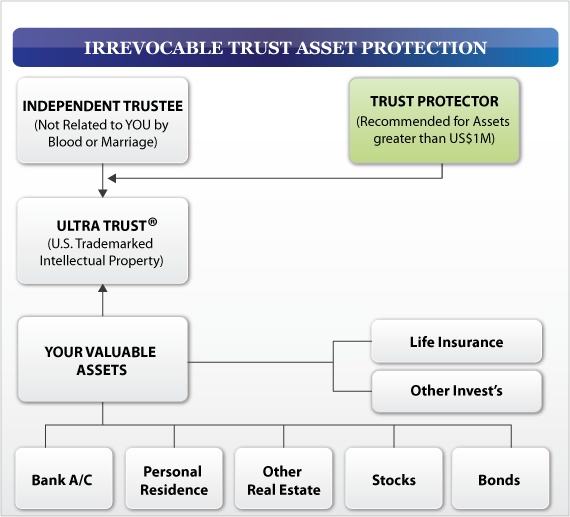
Trust protector clauses, independent trustee design, related LLCs, and family-specific distribution terms all influence the amount of planning involved.
The cost is not only the document
| Cost area | What it usually covers |
|---|---|
| Planning and design | Goal review, trust selection, structural decisions, and drafting strategy |
| Document preparation | The trust agreement and related supporting documents |
| Funding work | Transfers, assignments, deeds, or title coordination needed to make the trust real |
| Ongoing administration | Future trustee work, updates, and coordination as circumstances change |
Cheap setup can become expensive later
A lower initial fee may feel attractive, but it can become costly if the trust is vague, misaligned with the goal, or never funded correctly. Many of the problems people later try to “fix” were created at the setup stage when the structure was chosen too quickly or built too thinly.
- Unclear trustee powers
- Beneficiary clauses that create avoidable conflict
- No plan for funding or asset transfers
- Poor coordination with business entities or family planning
- A trust type that does not actually fit the original objective
Questions worth asking before you compare fees
- What type of trust is actually being proposed?
- Does the quoted work include funding guidance or only drafting?
- How will the trust fit with other entities or planning already in place?
- What ongoing administration should be expected after setup?
- Is the recommendation driven by the facts, or by a one-size-fits-all package?
These questions often tell you more about value than the first dollar figure on a proposal.
The right trust is usually cheaper than the wrong shortcut
Trust setup cost should be judged by durability, fit, and follow-through—not just by the first invoice. A well-chosen trust that is funded correctly and aligned with the plan is usually far more valuable than a cheaper document that leaves the real work undone.
Want a clearer cost conversation?
A tailored review can help identify which trust type fits and what work would actually be involved in setting it up properly.
Frequently asked questions
Is there one standard price for a trust?
No. The cost depends on the kind of trust, the assets involved, and how much planning and funding work the structure requires.
Does setup cost include funding the trust?
Not always. Some proposals cover drafting only, while others include funding guidance or transfer coordination.
Why can two trust quotes be so different?
Because the trust type, complexity, service scope, and level of customization can vary significantly.
Should the lowest price win?
Not necessarily. A trust that does not fit the goal or is never funded properly can become more expensive over time.
Ready to take the next step?
Get clear guidance on trust structure, planning priorities, and the next move that fits your assets and goals.