
A Practical Look at How Financial Security Can Shift Quickly
A careful look at wealth shows how quickly financial situations can change without warning. You work, save, plan, and still notice that legal exposure exists whether you invite it or not. People often want a structure that keeps their stability intact even when pressure builds in unexpected ways.
An irrevocable trust in New York offers that structure because it creates separation between you and the assets you want to protect. This separation helps you stay confident when life throws situations that test your patience, judgment, or stress levels.
Why Legal Protection Becomes a Priority for Many People?
A lawsuit rarely arrives gently. It usually shakes routines and raises questions that nobody enjoys answering. This is why people think ahead and create a plan that feels steady. When your assets sit inside a legally strong structure, immediate panic becomes unnecessary.
People value this sense of stability because it keeps them grounded during moments that feel chaotic. Many individuals focus on protecting assets from lawsuits for this reason. They want something that keeps their financial world secure even when pressure shows up unexpectedly.
Understanding How a Trust Creates a Stronger Barrier?
A trust can sound complicated until you realize that it behaves like a container designed to shield what matters most. You may still indirectly enjoy the benefits of the assets you place inside it, but the trust itself becomes the legal owner. That shift creates a meaningful barrier.
A well-structured plan such as an irrevocable trust in New York supports your long-term goals by reducing exposure and keeping your financial life organized. People often feel relieved when they see how much peace comes from placing assets into something that follows rules consistently.
How Personal Ownership Creates More Exposure Than You Expect?
Assets tied directly to your own name sit within reach of legal claims. That exposure often surprises people who assume their savings, property, or investments remain safe simply because they worked hard to obtain them. A shift in ownership to a trust changes that picture.
The structure shields wealth and helps you keep long-term plans intact. Many clients appreciate how this sense of stability lets them focus on what matters instead of worrying about their financial safety.
A thoughtful plan becomes essential when you want clarity instead of confusion, and when you prefer control instead of chaos. This structure also assists with protecting assets from lawsuits by placing distance between your personal name and the items you care about most.
Guidance from Professionals Who Understand the Bigger Picture
Planning becomes easier when professionals help shape the strategy. Legal structures, tax considerations, and long-term goals tend to influence one another more than most people expect. A knowledgeable team helps you avoid mistakes that could weaken your protection.
Estate Street Partners LLC brings decades of study across multiple professional fields, offering depth that simplifies planning. Their approach helps you build a structure capable of holding up under scrutiny. Clients often feel confident knowing that their trust has been designed with clarity and intention rather than guesswork.
Choosing a Trustee Who Can Handle the Responsibility with Care
A trustee becomes the person responsible for carrying out your instructions. The role requires patience, organization, and the ability to follow rules without drifting off course. You want someone who respects your wishes and understands how to manage responsibility without letting stress take over.
A capable trustee becomes the steady hand that ensures your trust continues working long after it is created. This consistent oversight strengthens the value of an irrevocable trust in New York by keeping your structure aligned with the original goals you designed.
How Proper Funding Turns a Trust into a Protective Tool
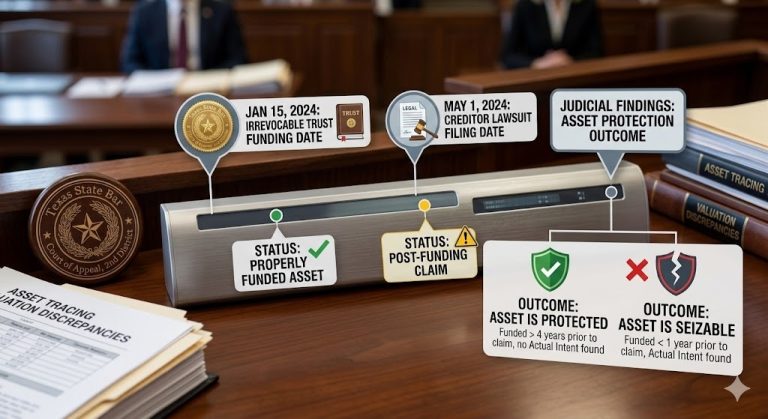
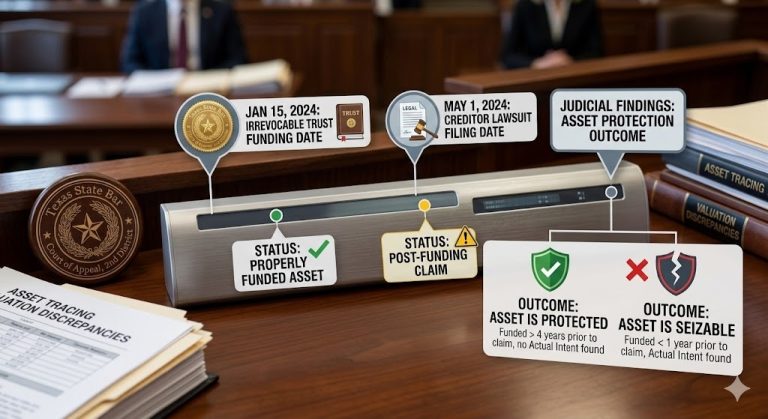
A trust only becomes effective when assets are transferred into it with precision. This step transforms the plan from a concept into a functioning protective tool. Deeds, account titles, and legal documents require updates so the structure operates correctly. A missed detail can leave something vulnerable.
People often complete this step with professional guidance to avoid gaps or inconsistencies. When accuracy guides the process, your trust stands strong and practical. Many families want this protection because it plays a major role in protecting assets from lawsuits and keeping their long-term plans secure.
Long-Term Stability Grows from Consistent and Clear Planning
A clear plan helps you stay steady, even when life creates friction or surprises. The structure of a trust reduces family disagreements, keeps transitions predictable, and gives your loved ones guidance when decisions become necessary.
Planning today helps you avoid confusion later. A trust becomes a reliable foundation that reflects your values and creates a future path built on purpose rather than uncertainty. You also gain protection designed to maintain your financial stability by creating distance from claims that target personal ownership.
A Clear Summary of How Trust Planning Becomes a Strong Protective Strategy
A protective plan helps shape a future built on security rather than stress. A trust separates ownership, reduces exposure, and allows you to remain steady even when legal pressure appears unexpectedly. Proper planning leaves your assets in a safer position and gives you more confidence when thinking about your long-term goals. A reliable trustee and proper funding keep the structure functioning as intended.
Support from Estate Street Partners LLC strengthens the process by offering clarity and experience. Many people appreciate how a strong plan allows them to stay focused on their goals without unnecessary worry. With more than 4300 clients and more than $4 Billion protected over 44 years, they are able to foresee issues before they arise in your situation. A well-designed irrevocable trust in New York and a structure aimed at protecting assets from lawsuits help you move forward with more control, stability, and peace of mind.
Frequently Asked Questions
Q. What does an irrevocable trust in New York help someone achieve?
A properly drafted, managed, and funded irrevocable trust in New York helps someone structure long-term control over personal wealth while keeping assets outside their taxable estate. This setup also supports future planning for family members and charitable intentions through a stable legal framework.
Q. Who usually benefits from an irrevocable trust in New York?
An irrevocable trust in New York benefits individuals who want firm guidelines for future asset management and distribution. With a properly drafted, funded, and managed trust, benefits may include lawsuit avoidance, estate tax elimination, long-term care planning, incentive-based distributions, divorce asset protection, and a clearly defined legacy that may last more than 100 years after passing.
Q. Does an irrevocable trust in New York allow someone to shift ownership of assets effectively?
Yes. An irrevocable trust in New York allows someone to shift ownership in a way that supports clear separation between personal and trust-held property, helping maintain structure and certainty across generations.
Q. How does an irrevocable trust in New York support family planning goals?
An irrevocable trust in New York supports family planning goals by creating a long-term holding structure that allows wealth to pass tax free to the next generation, helping families establish predictable and stable financial transitions.
Q. Why do people focus on protecting assets from lawsuits as part of their planning?
People focus on protecting assets from lawsuits because they want safeguards that prevent sudden financial loss. This is especially important for professionals, business owners, and anyone exposed to potential legal conflict.
Q. How does protecting assets from lawsuits support long-term financial security?
Protecting assets from lawsuits supports long-term financial security by creating legal barriers that shield personal wealth during disputes. Often, disputes resolve quickly—or never arise—once opposing parties understand the protective structure in place.
Q. What situations create a need for protecting assets from lawsuits?
Situations such as business liabilities, professional exposure, or personal disputes create a need for protecting assets from lawsuits. Families rely on this planning approach to maintain confidence during uncertain financial moments.