
Introduction: Understanding Asset Protection Criteria and Importance
High-net-worth families face a unique concentration of risk—from professional liability and personal guarantees to business disputes and divorces. The right asset protection strategies are designed to deter litigation, force realistic settlements, and keep wealth transfers private and tax-efficient. Evaluating offshore vs domestic asset protection begins with clear criteria, not just headlines about “strong laws” or “secret accounts.”
Smart planning focuses on how your structure performs when actually challenged. Key criteria include:
- Enforceability: Will a court where the lawsuit is filed honor your structure, or must creditors litigate in a tougher venue?
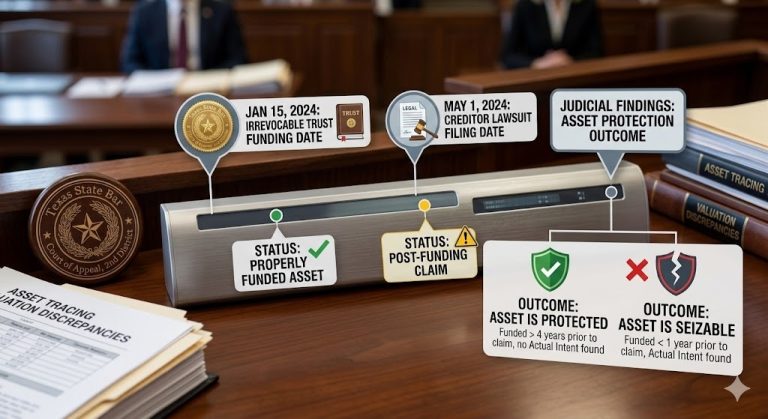
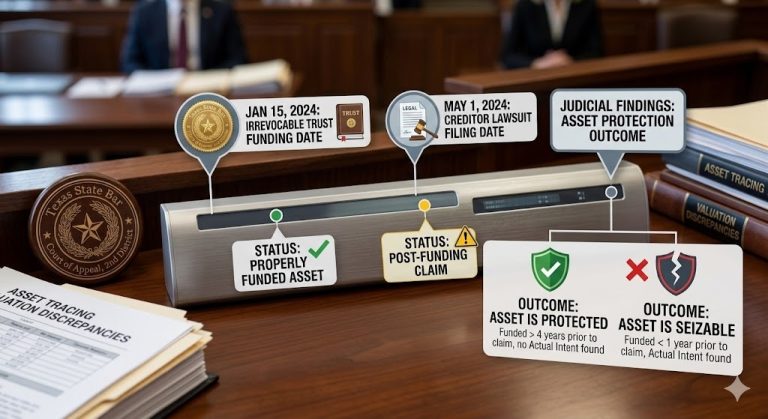
- Timing: How fraudulent transfer rules, look-back periods, and statutes of limitation apply to pre-claim vs. post-claim transfers.
- Control: Separation between you and the assets (independent trustees, discretionary standards) to avoid “sham” arguments.
- Cost and complexity: Setup, trustee fees, compliance, and ongoing administration relative to the risk at stake.
- Privacy: Exposure in discovery and public records, and whether financial privacy can be lawfully maintained.
- Tax compliance: Full IRS reporting (e.g., Forms 3520/3520-A, FBAR where required) to align with tax-efficient legacy planning.
- Bankruptcy and exception creditors: How federal 10-year clawback rules and claims like alimony or child support interact with your plan.
Domestic asset protection trusts (especially in states like Nevada or South Dakota) can be cost-effective and familiar, but non-resident grantors may still face sister-state judgments and federal bankruptcy reach. Offshore jurisdictions (e.g., Cook Islands, Nevis) often require creditors to re-litigate locally, reject foreign judgments, and impose short limitation periods—powerful creditor protection solutions, but with dramatically higher costs and ever stricter reporting requirements. In practice, many adopt a layered approach that starts domestically and reserves the option to move offshore as risk escalates.
For a surgeon with malpractice exposure or an entrepreneur with personal guarantees, irrevocable trust planning implemented early—before claims arise—can separate personal wealth from operating risk while preserving wealth security methods for heirs. Estate Street Partners’ Ultra Trust uses court-tested structures and Irrevocable trust planning to balance privacy, IRS compliance, and practical enforcement, providing step-by-step guidance to match your risk profile and jurisdictional needs.
Key Evaluation Factors for Offshore Asset Protection
When weighing offshore vs domestic asset protection, the most important decision is not geography but how each structure performs under scrutiny. Offshore arrangements can add distance and procedural hurdles for creditors, yet they demand disciplined design, independent control, and airtight compliance. Evaluate these factors before moving assets:
- Jurisdiction strength and case law: Some jurisdictions (e.g., Cook Islands, Nevis) are known for favorable statutes, short look‑back periods, and high burdens of proof for creditors. Foreign judgments are not automatically enforced; creditors often must re-litigate locally, increasing cost and delay.
- Trustee independence and control: True separation is essential for creditor protection solutions. Use a licensed, independent trustee, incorporate duress clauses, and avoid retained powers that make the trust appear as an alter ego of the grantor.
- Timing and seasoning: Asset protection strategies work best pre‑dispute. Transfers made as a gift may be unwound under fraudulent transfer rules; note extended U.S. bankruptcy look‑back periods for self‑settled trusts.
- Regulatory and tax compliance: Offshore trusts are not tax shelters. U.S. persons must meet very strict and expensive IRS and Treasury reporting (Forms 3520/3520‑A, FBAR, FATCA Form 8938) and maintain contemporaneous documentation for IRS‑compliant wealth strategies typically costing $7-12,000 per year.
- Banking and political risk: Favor jurisdictions with stable rule of law, robust regulators, and well‑capitalized banks. Diversify counterparties and understand deposit protections and liquidity backstops.
- Cost and administration: Expect higher setup and ongoing trustee, legal, and audit fees offshore (5-10 times higher) versus domestic solutions. Ensure service providers can respond quickly during litigation pressure. Do you really feel comfortable having a trustee that you’ll never meet in person control your nest egg?
- Exit and migration options: Build in protector powers, trust migration/redomiciliation provisions, and practical pathways to adjust structures as risk, residence, or laws change.
For many clients, a phased approach—starting with domestic irrevocable trust planning and escalating offshore only when risk and facts justify it—delivers stronger, more defensible outcomes. Estate Street Partners’ Ultra Trust is a court‑tested framework that emphasizes independent control, rigorous compliance, and tax‑efficient legacy planning, and can be coordinated with offshore components when appropriate. For clients in litigious environments such as New York asset protection, our team helps compare options and implement the right wealth security methods for the risk profile and goals.
Key Evaluation Factors for Domestic Asset Protection
When weighing offshore vs domestic asset protection, focus on how reliably a structure will hold up under the laws and courts you are most likely to face. Domestic tools rely on state statutes, conflict-of-laws rules, and the U.S. Bankruptcy Code, so durability depends on situs selection and how the plan is operated. Aim to balance enforceability, privacy, and integration with your broader estate and tax objectives.
- Statutory foundation and situs: Some states (e.g., Nevada, South Dakota, Delaware) offer self-settled domestic asset protection trusts (DAPTs), but non-DAPT states may refuse to honor them under their own public policy. A California resident using a Nevada DAPT, for instance, risks a home-state court applying California law.
- Look-back and fraudulent transfer risk: The Uniform Voidable Transactions Act and DAPT-specific look-backs (typically 4 years) can unwind recent transfers for both domestic and offshore structures if the transfers don’t include fair market consideration. In bankruptcy, 11 U.S.C. §548(e) creates a 10-year clawback for self-settled trusts formed with intent to hinder creditors.
- Exception creditors and public policy limits: Child support, alimony, and certain tort claims can pierce protection in many states. Review each jurisdiction’s list of exceptions and case law before funding the trust.
- Control and independence: The more control you retain, the easier it is for a creditor to argue alter-ego or sham. Irrevocable trust planning with an independent trustee, spendthrift clauses, and clear administrative formalities strengthens outcomes.
- Entity layering and charging orders: Pairing DAPTs with LLCs in states with exclusive charging order remedies can add a hurdle for creditors. Note that single-member LLCs may receive weaker protection in most jurisdictions.
- Tax and legacy integration: Domestic structures can be combined with grantor trust rules, lifetime exemptions, and beneficiary design to pursue tax-efficient legacy planning. Assess state income tax exposure and probate avoidance benefits alongside creditor protection solutions.
Domestic strategies are attractive for cost, familiarity, and easier administration, but they carry cross-border enforcement and bankruptcy risks that don’t disappear with clever drafting. For high-net-worth families comparing offshore vs domestic asset protection, a court-tested, IRS-compliant plan is essential. Estate Street Partners’ Ultra Trust system provides structured irrevocable trust planning and step-by-step expert guidance to integrate wealth security methods with practical enforceability in U.S. courts.
Comparison: Offshore Solutions and Their Security Benefits
When weighing offshore vs domestic asset protection, the core security difference is jurisdictional leverage. Offshore trusts in creditor-resistant venues remove the dispute from U.S. courts, forcing a claimant to litigate under unfamiliar rules. Domestic options keep assets within U.S. reach providing convenience and transparency but and if sloppily executed, funded, or managed, exposing you to interstate judgment enforcement and bankruptcy lookback rules.
Well-structured offshore asset protection strategies often include a foreign trustee, a duress clause (declining to comply with foreign orders), and local-law hurdles that make recovery prohibitively expensive. For example, a Cook Islands or Nevis trust may not recognize U.S. judgments, requiring creditors to refile claims locally and post bonds before discovery. This procedural friction acts as a potent creditor protection solution without changing your U.S. tax obligations.
Domestic asset protection trusts offer privacy, speed, and lower costs, but they are still within the U.S. system. If sloppily executed, funded, or managed, creditors may leverage Full Faith and Credit to domesticate out-of-state judgments. If your business, creditors, or personal ties are concentrated in one state, local courts may remain a practical venue for attack.
Consider the following decision cues:
- Offshore: high litigation risk, professional claimant, or seven-figure exposure.
- Domestic: moderate risk profile, need for simpler administration and lower cost.
- Hybrid: domestic LLC holding companies with an offshore trust as member/beneficiary.
- Always: independent trustee to ensure true separation and reduce contempt risk.
Security must align with compliance. Offshore trusts are generally tax-neutral for U.S. persons and require rigorous reporting (e.g., Forms 3520/3520-A, FBAR/FinCEN 114, FATCA Form 8938). Irrevocable trust planning, with an independent fiduciary and clear governance, supports wealth security methods and tax-efficient legacy planning without venturing into evasion.
Estate Street Partners’ Ultra Trust system brings court-tested frameworks, layered structures, and step-by-step guidance to help you calibrate offshore vs domestic asset protection in line with your risk, domicile, and regulatory profile.
Comparison: Domestic Solutions and Their Security Benefits
In the offshore vs domestic asset protection discussion, domestic structures offer a high degree of predictability, lower administrative friction, and straightforward tax reporting. Operating inside the U.S. legal framework simplifies compliance, reduces reputational risk, and often dramatically lowers cost while still delivering strong creditor protection solutions. For many high-net-worth families, this balance of enforceability and efficiency makes domestic asset protection strategies a first-line defense.
Key domestic tools and how they enhance security include:

- Irrevocable trust planning: Third-party spendthrift trusts and, where appropriate, self-settled Domestic Asset Protection Trusts (DAPTs) in states like Nevada, Delaware, South Dakota, and Alaska can deter creditors, though exceptions (e.g., support obligations, taxes) and timing rules apply.
- LLCs and FLPs: Charging order protection in jurisdictions such as Wyoming or Nevada can limit a creditor to distributions without granting control, especially when assets are separated into multiple entities.
- State exemptions: Homestead protections, retirement plan shields, and tenancy by the entirety can add statutory layers of defense.
- Insurance layering: Umbrella and specialty policies complement legal structures to absorb litigation shocks.
Compared with offshore structures, domestic arrangements are easier to defend under U.S. law and integrate neatly with tax-efficient legacy planning, such as grantor trust design, dynasty/GST strategies, and valuation discounts for family entities. Be mindful of the 10-year federal bankruptcy look-back for self-settled trusts and each state’s fraudulent transfer statutes; funding well before exposure is critical. When properly timed and drafted, domestic frameworks provide durable wealth security methods without the enforcement uncertainties and higher scrutiny that can accompany foreign jurisdictions.
For example, a founder can contribute non-controlling interests of an operating company to a Wyoming LLC and then to a carefully drafted irrevocable trust governed by a protective state, aligning business risk with trust-level spendthrift protections. Estate Street Partners’ Ultra Trust system brings court-tested asset protection and IRS-compliant design to this approach, offering step-by-step guidance to structure privacy, governance through an independent trustee, and long-term creditor resilience within the U.S. system.
Tax Implications: Offshore vs. Domestic Approaches
For U.S. persons, asset protection does not change the basic rule: you are taxed on worldwide income, whether assets sit in Nevada or the Cook Islands. The real difference in offshore vs domestic asset protection is compliance complexity, expense, timing of taxation, and potential penalties if you misstep. Your choice of trust type (grantor vs. non‑grantor) and situs drives who pays the tax, when, and how it is reported.
Offshore arrangements often add layers of reporting without reducing income tax. U.S. grantors typically remain taxable on income from foreign grantor trusts; foreign non‑grantor trusts can defer tax, but distributions to U.S. beneficiaries may trigger “throwback” rules with interest charges. Investing through foreign funds can also invoke PFIC punitive taxation and complicated annual elections. Example: an entrepreneur funding a Cook Islands trust that buys non‑U.S. mutual funds may face PFIC rules and must still report the trust and accounts annually.
Key offshore compliance items include:
- FBAR (FinCEN 114) for foreign financial accounts and FATCA Form 8938 for specified foreign assets
- Forms 3520/3520‑A for transactions with and ownership of foreign trusts
- Potential withholding and information reporting on U.S.-source income paid to foreign entities
- Throwback tax on undistributed net income from foreign non‑grantor trusts; PFIC excess distribution regimes
Domestic irrevocable trust planning can simplify taxes while strengthening creditor protection solutions. Many domestic asset protection trusts are drafted as grantor trusts, keeping income taxation on the grantor’s return and avoiding separate trust-level filings. Non‑grantor designs can shift future appreciation outside the estate using lifetime exemption, and some states allow favorable trust income taxation depending on trustee location, administration, and beneficiary residency.
If your goals include tax-efficient legacy planning alongside robust asset protection strategies, a well-drafted domestic structure can offer cleaner compliance and predictability. Estate Street Partners’ Ultra Trust leverages court-tested, IRS‑compliant methods to align wealth security methods with your tax posture, and their step‑by‑step guidance helps you evaluate when an offshore layer is justified—and when a domestic solution provides equal protection with far less friction.
Legal Compliance and IRS Considerations
Choosing offshore vs domestic asset protection is not only a strategic decision—it’s a compliance exercise. Both paths must be structured to avoid fraudulent transfer claims, with contemporaneous documentation of solvency, fair market consideration, and legitimate business or estate planning purposes. Courts and the IRS scrutinize timing, control retained by the grantor, and whether the structure serves bona fide creditor protection solutions rather than concealment.
Domestic structures, including self-settled asset protection trusts available in numerous states, are still subject to federal law and the Full Faith and Credit Clause. Bankruptcy Code §548(e) imposes a 10-year lookback on transfers to self-settled trusts, and state statutes of limitation vary. For tax reporting, grantor trusts pass income to the Form 1040; non-grantor trusts file Form 1041 and issue Schedule K-1s. Completed gifts to an irrevocable trust must be executed at least 4 years before an incenident and if over $19,000 (2026) will require Form 709, and state income tax situs should be managed for tax-efficient legacy planning.
Offshore arrangements layer additional reporting: FBAR (FinCEN 114) for foreign accounts, FATCA Form 8938 for specified foreign assets, and Forms 3520/3520-A for foreign trusts. Penalties for missed filings can be severe, and courts may issue repatriation orders; the Affordable Media (Cook Islands) case illustrates contempt risk when a settlor retains control. Proper irrevocable trust planning minimizes settlor powers, uses independent trustees, and includes duress clauses that respect U.S. court orders without inviting noncompliance.
Neither domicile eliminates U.S. taxation for citizens or residents; classification (grantor vs. non-grantor) governs how income, DNI, and capital gains are taxed. Distributions from foreign non-grantor trusts can trigger interest-charge “throwback” rules if income was previously accumulated. Any wealth security methods should be modeled for after-tax outcomes before implementation.
To stay compliant, build a paper trail and calendar:
- Purpose memo, solvency affidavits, and independent valuations at funding.
- Independent trustee, no retained vetoes or powers tantamount to ownership.
- Annual filings: 1041/K-1s, 709 if needed, FBAR, 8938, 3520/3520-A.
- Distribution and investment policies aligned with estate goals and asset protection strategies.
Estate Street Partners’ Ultra Trust system provides court-tested, IRS-compliant guidance to balance creditor protection with reporting rigor. Their step-by-step approach helps high-net-worth families choose and execute domestic or offshore frameworks that enhance privacy and tax efficiency without sacrificing compliance.
Privacy and Confidentiality Assessment
Privacy is often the deciding factor in the offshore vs domestic asset protection debate. Domestic structures can reduce your public footprint, but they remain within reach of U.S. courts and discovery. Offshore trusts add distance and procedural friction, which can also deter fishing expeditions, yet they come with global reporting duties and higher governance standards. The goal is lawful confidentiality—minimizing what’s visible to adversaries while remaining fully compliant.
Domestic options rely on state-level privacy tools. Wyoming, Delaware, and Nevada allow manager-managed LLCs with limited public disclosures, and irrevocable trust planning can keep trust agreements out of public records.
Offshore trusts increase confidentiality by using foreign trustees, non-public registries, and protective “firewall” statutes that resist recognition of U.S. judgments. In practice, a creditor may face local litigation abroad, raising costs and timelines. However, U.S. persons must report foreign trusts and accounts (Forms 3520/3520-A, 8938, and FBAR), and FATCA/CRS regimes transmit financial data to tax authorities. Courts can also order repatriation; noncompliance risks contempt—even if the assets are overseas.

Key privacy trade-offs to weigh:
- Public footprint: domestic LLC filings vs. offshore non-public trust deeds
- Subpoena reach: domestic trustee vs. foreign trustees outside U.S. jurisdiction
- Reporting load: lighter domestic filings vs. robust offshore disclosures (IRS, FATCA/CRS)
- Operational complexity and cost: simpler domestic setups vs. multi-jurisdiction administration
Estate Street Partners’ Ultra Trust leverages court-tested asset protection strategies to balance confidentiality with compliance. Their team often combines domestic privacy wrappers (e.g., a properly drafted irrevocable trust with a Wyoming LLC) with offshore components when warranted, using protectors, duress clauses, and documented governance. This integrated approach delivers creditor protection solutions and wealth security methods while supporting tax-efficient legacy planning—keeping your information as private as legally possible without compromising IRS compliance.
Cost-Benefit Analysis and Implementation Expenses
When evaluating offshore vs domestic asset protection, weigh total cost of ownership against the deterrence value. Direct fees are only part of the equation; consider banking friction, ongoing compliance, the time to implement, and how much each structure increases a plaintiff’s costs and reduces settlement leverage. Stronger structures often pay for themselves by discouraging contingency-fee litigation and forcing early, favorable settlements.
Offshore trusts in jurisdictions such as the Cook Islands or Nevis typically deliver the highest deterrence because local courts do not recognize U.S. judgments and impose short fraudulent transfer windows. Expect higher friction and oversight: foreign trustees, cross-border banking, and robust reporting. Typical ranges: $25,000–$50,000 to establish, plus $5,000–$12,000 annually for trusteeship and administration. Add CPA compliance for Forms 3520/3520-A and FBAR (often $5,000–$10,000 per year), with timelines of roughly 4–8 weeks to fully implement.
Domestic asset protection trusts (e.g., Nevada, Delaware, Alaska) are simpler to run and bank, with lower recurring costs, but may face challenges from out-of-state creditors, “full faith and credit.” Setup often runs $7,000–$25,000, with $500–$5,000 in annual upkeep, plus LLC filings and registered agent fees. Many domestic plans are grantor trusts for income tax purposes, minimizing additional filings, and can be implemented in 2–4 weeks.
Common implementation expenses to model in your pro forma:
- Legal structuring (trust/LLC drafting, state selection): $10,000–$50,000+ depending on offshore vs. domestic and asset mix.
- Trusteeship/administration: domestic $500–$5,000/yr; offshore $8,000–$12,000/yr.
- Compliance: domestic $500–$3,000/yr; offshore $2,000–$5,000/yr (3520/3520-A, FBAR).
- Asset migration: titling, appraisals, transfer taxes, and banking setup.
For a $10M entrepreneur with operating risks, an offshore trust may justify higher costs by making enforcement materially harder, while a domestic DAPT can be a cost-efficient first line for creditor protection solutions. Estate Street Partners’ Ultra Trust leverages court-tested irrevocable trust planning to calibrate these trade-offs, aligning asset protection strategies with wealth security methods and tax-efficient legacy planning, while providing IRS-compliant guidance and step-by-step implementation.
Selection Guide: Determining the Right Strategy for Your Needs
Choosing between offshore vs domestic asset protection starts with your threat profile, asset mix, and timeline. The right design balances creditor protection, control, privacy, and tax compliance, while fitting your risk tolerance and maintenance capacity. Map what you’re protecting, from where claims could arise, and how quickly you may need defenses to hold up under scrutiny.
Key factors to weigh:
- Immediacy and type of risk: If litigation is imminent, any transfer risks fraudulent transfer claims. Bankruptcy has a 10‑year lookback for self‑settled trusts with intent to hinder.
- Jurisdictional strength: FAPTs (e.g., Cook Islands, Nevis) offer shorter statutes of limitations and higher burdens for creditors; DAPTs rely on state statutes (NV, SD, AK, DE) but face Full Faith and Credit and adverse precedent for nonresidents.
- Asset class and situs: U.S. real estate remains subject to local courts even if the trust is foreign; use LLCs for operating businesses and hold membership interests in the trust instead of titling hard assets directly.
- Control and governance: Independent trustees, trust protectors, and clear distribution standards enhance resilience. Excess grantor control undermines protections.
- Privacy and reporting: Offshore structures usually require FATCA/FBAR reporting; domestic solutions can deliver robust financial privacy management without crossing borders.
- Cost and upkeep: Expect higher setup and annual trustee/banking fees offshore; ensure you can maintain formalities long term.
- Legacy and tax: Coordinate grantor vs. non‑grantor status, GST exemptions, and basis step‑up to preserve tax-efficient legacy planning without compromising creditor protection solutions.
Examples: A surgeon-investor with volatile exposure and liquid brokerage assets may favor a foreign APT with an independent offshore trustee, paired with domestic LLC “blockers” for operating ventures. A family with multi‑state rentals might prefer a domestic irrevocable trust planning approach using state LLCs and a non‑related trustee, preserving wealth security methods while simplifying banking and reporting.
Estate Street Partners’ Ultra Trust provides court‑tested, IRS‑compliant asset protection strategies that integrate trusts and entities to fit your fact pattern. Their step‑by‑step guidance helps you select and implement the right mix—offshore, domestic, or hybrid—aligned with your objectives and timeline. Early, proactive planning consistently delivers stronger outcomes than last‑minute moves.
Recommendations Summary and Final Considerations
When weighing offshore vs domestic asset protection, start with your risk profile, where you live, and the likely creditors you face. Offshore jurisdictions (e.g., Cook Islands, Nevis) typically offer stronger barriers to enforcement, shorter fraudulent transfer statutes, and force creditors to litigate abroad; domestic options are more budget-friendly, lender-friendly, and simpler to administer. Privacy also differs: offshore structures can reduce discoverability, while domestic structures rely more on charging order protection and state law. In all cases, ensure IRS reporting is airtight and that planning occurs well before any claim arises.
Practical recommendations:
- Prefer domestic APTs/DAPTs when you live in a DAPT-friendly state (e.g., Nevada, South Dakota), face moderate risk, need banking simplicity, and value lower setup/maintenance costs.
- Prefer offshore APTs when exposure is catastrophic (medical malpractice, cross-border deals, personal guarantees), you can tolerate higher cost/complexity, and you’re prepared for Form 3520/3520-A, FATCA, and FBAR compliance.
- Consider a hybrid: hold operating assets in domestic LLCs/FLPs; place passive, high-value assets under an offshore trust with an independent trustee, spendthrift provisions, and a duress clause. Maintain clean separations of control and timing to strengthen creditor protection solutions.
Example: A founder expecting a liquidity event may first move the operating company into a manager-managed LLC, then gift or sell non-voting interests to a trust well before negotiations. Post-sale proceeds can flow to a brokerage account titled to a foreign trust (with a U.S. qualified custodian for convenience), while the trustee retains discretion over distributions. This sequencing creates multiple friction points for future claimants without sacrificing investment flexibility.
Execution matters more than labels. Strong asset protection strategies hinge on early funding, irrevocable trust planning with truly independent trustees, documented solvency, and integrated wealth security methods like insurance and LLC layering. Aim for tax-efficient legacy planning by combining trusts with powers of appointment, charitable vehicles, and basis management—not tax evasion.
Estate Street Partners’ Ultra Trust framework delivers court-tested asset protection with IRS-compliant design, financial privacy management, and step-by-step expert guidance. For high-net-worth families comparing offshore vs domestic asset protection, their team can model trade-offs, build a defensible structure, and coordinate compliance so the plan stands up when challenged.
Helpful resources: Common follow-up reading includes Offshore Asset Protection Trust, Domestic Asset Protection Trust, and official IRS estate and gift tax guidance while sorting through timing, control, and long-term protection choices.
What readers usually compare next
Readers looking at Best Asset Protection Strategies: Offshore vs. Domestic Solutions Compared usually compare timing, control, and exposure before deciding what to do next.
Three practical points to keep in mind
- Jurisdiction matters because offshore planning depends on the law, trustee design, and enforcement rules.
- Timing matters because stronger offshore structures are usually built before a claim is close at hand.
- Control matters because the structure has to balance practical access with real protection.
Helpful next steps
Readers often continue with Offshore Asset Protection Trust, Domestic Asset Protection Trust, and Asset Protection Trust. When the question turns from reading to implementation, many readers move from these guides to a direct planning conversation.