Premarital discussions that deal with financial issues and the possibility of asset distribution in case of a breakup are as romantic as getting a root canal done or spending an entire day in traffic court. Prenuptial agreements are not for all couples, but many legal analysts argue that they should be. These premarital agreements present both advantages and disadvantages that future brides and grooms should give careful consideration to.
Prenuptial Pros
Here are the advantages of a prenuptial agreement (aka prenup agreement for short):
Conflict reduction: As long as a prenuptial agreement is conscionable and enforceable, it has the power of reducing the legal burden of divorce proceedings. In a way, signing a premarital agreement is akin to a couple having a proactive discussion about issues that they do not really want to argue about in the future.
Can a prenuptial agreement really protect your assets? The pros and cons of a prenup.
Establishing intent for spousal support and alimony: In many states that have adopted the Uniform Premarital Agreement Act of 1983, spousal support and even alimony can be waived before the wedding.
Financial protection: This is the most common reason cited as the rationale behind prenuptial agreements, particularly in states where the statutes follow the community property civil doctrine. In this regard, Arizona, California, Texas, and Nevada quickly come to mind.
Prenuptial Cons

If you believe that “All is Fair in Love and War,” you will be interested to know the following issues related to premarital agreements. In other words, here are the disadvantages of a prenup agreement:
The basis for the agreement: Although divorce statistics in the United States are far from encouraging, would-be newlyweds do not really want to talk about a potential marriage dissolution. The formulation and execution of a premarital agreement imply a future breakup, which is the ultimate killjoy of wedding preparations.
The burden of inflexibility: Life situations may change, but prenuptial agreements tend to stay the same. Although these agreements can certainly be updated, they often require many of the same steps undertaken for their creation. This could mean retaining separate counsel and talking about the possibility of divorce all over again.
Lifestyle adjustment: Once a prenuptial agreement is signed, the future husband and wife must learn to adjust their lifestyles to the terms they agreed to before the wedding. Sudden changes in financial situations can be detrimental to a spouse’s lifestyle after divorce all because of a clause was not amended on a prenuptial agreement.
Enforceability of prenuptial agreements: Many couples who sign premarital agreements are unpleasantly surprised when they arrive in court and find out that their document is ruled invalid or unconscionable. Such agreements are subject to the opinion of the court, and they are often subject to legal challenges.
Retain Control: How Irrevocable Trusts Improve Upon Prenuptial Agreements
The use of irrevocable trusts as premarital instruments for asset protection and financial stability yield more advantages than prenuptial agreement and have none of the disadvantages.
With irrevocable trusts, individuals do not really pre-plan their divorce. Establishing an irrevocable trust is not something that a couple must endure; in fact, input from other parties other than estate planners is not required. This is good news for people who do not want to have that uncomfortable conversation about what to do in case of a divorce.
Creating an irrevocable trust does not mean that future wives, husbands or children have to be excluded from the enjoyment of assets. The grantor of the trust can designate beneficiaries to receive certain amounts of assets under certain circumstances. You are in control of all of the outcomes related to assets inside of the trust and with a properly drafted irrevocable trust, you can change your mind at any time. Why would you want a judge to dictate the terms of a divorce when he is not privy to all of the details and private conversations with your spouse?
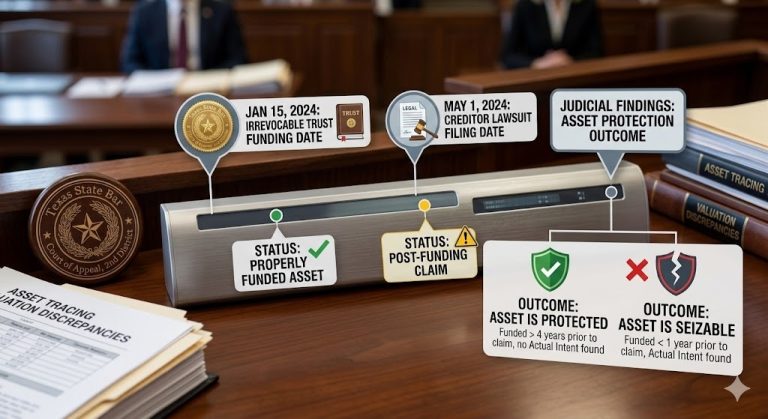
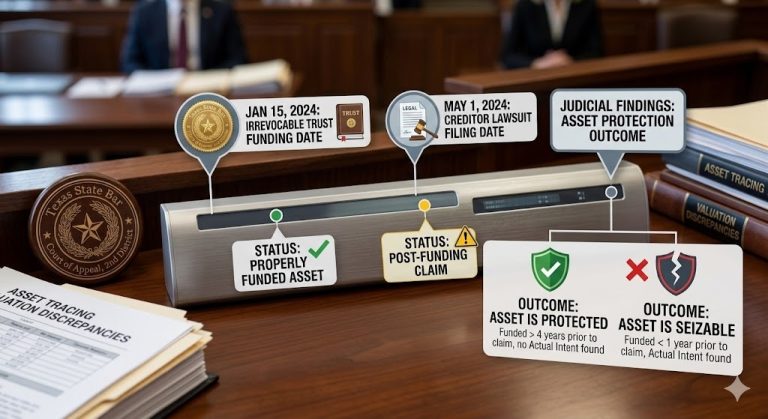
One of the main goals of irrevocable trusts is asset protection, which happens to work very efficiently in divorce cases. Unlike prenuptial agreements that are subject to the interpretation and opinion of the court, a judge will only take a look at the assets outside of the trust to check for marital assets because assets placed inside the trust are by definition – not martial.
Whereas prenuptial agreements can be legally challenged with many strategies, precedent tends to favor the integrity of irrevocable trusts. Case law has been very positive towards irrevocable trusts in divorce cases; the same cannot be said of numerous premarital agreements that have been deemed invalid, unconscionable, unenforceable, and even nonsensical.
Aside from serving as excellent tools for asset protection, irrevocable trusts are great for estate planning. Prenuptial agreements simply do not survive death. Irrevocable trusts, on the other hand, may continue to earn value and serve the interests of the beneficiaries long after the grantor passes away.
In the end, the flexibility, efficiency, and control of assets inside irrevocable trusts makes them very attractive as legal instruments to be used in place of prenuptial agreements. To find out more about how an irrevocable trust can help you retain control of future outcomes better than a prenup, please call us now at (888) 938-5872.

 If you believe that “All is Fair in Love and War,” you will be interested to know the following issues related to premarital agreements. In other words, here are the disadvantages of a prenup agreement: The basis for the agreement: Although divorce statistics in the United States are far from encouraging, would-be newlyweds do not really want to talk about a potential marriage dissolution. The formulation and execution of a premarital agreement imply a future breakup, which is the ultimate killjoy of wedding preparations.